
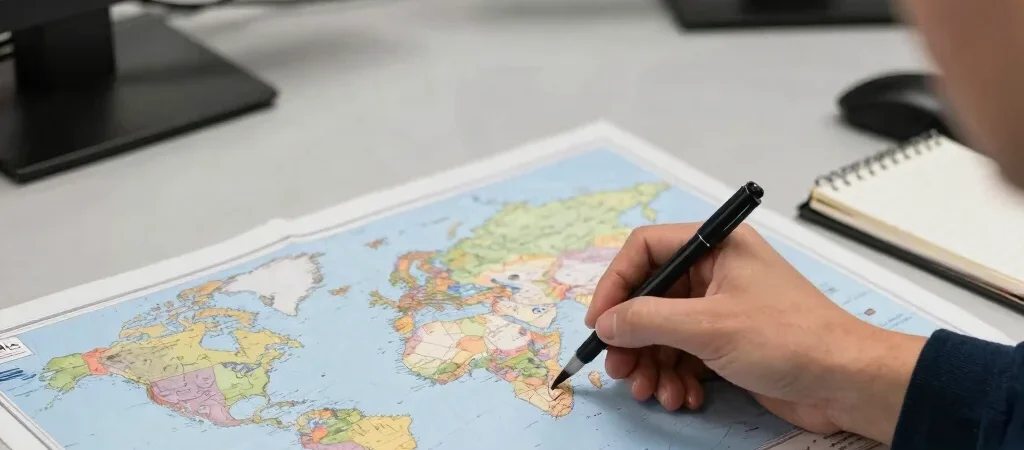
A map can make an overseas crisis feel remote; a headline about fuel, shipping, or U.S. diplomacy can make it feel close overnight. Both reactions can miss important context. The strongest way to follow a world story is to trace the connection to the United States one step at a time.
Identify the Direct Connection
Start with what is confirmed: whether the U.S. government is involved, whether Americans are affected, or whether a key route or agreement is directly disrupted. Then distinguish that immediate connection from possible later consequences. Keeping those categories separate helps prevent a warning or scenario from being mistaken for an event already underway.
Trace the Wider Effects
International developments can reach U.S. households through several channels, including trade, energy markets, travel, and diplomatic decisions. Each connection has its own timing and depends on details such as the length of a disruption or the response from governments and businesses. A careful report explains the chain rather than jumping straight from overseas event to domestic outcome.
Watch What Remains Unknown
In fast-moving situations, early accounts may conflict or leave key facts unverified. Check whether the report distinguishes official statements, independent confirmation, and analysis, and note what could change the picture. For readers in the United States, that distinction is not a delay in getting the story; it is part of understanding it.